Description
Children often hear the word euthanasia before anyone has explained it to them. Or they see a stranger come into the house: a doctor, a nurse, someone from home care. What this person does and why they are there often goes unspoken. Children fill that gap themselves, and they do so through play.
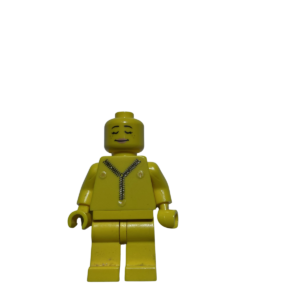
This figure is deliberately left undefined. It wears no striking medical equipment and has no single, fixed appearance. So it can be the doctor present at an agreed end of life, the care worker who visits every day, or someone the child makes up. The role comes from the child, not from the adult.
Why this works
- The child can act out the situation as they experienced it or as they imagine it.
- Adults see in the play what the child knows, what they are missing or what they misunderstand, and can respond honestly.
- An agreed, supported farewell becomes something that can be talked about, without the child needing an official explanation.
How to use it
Play along without steering. Ask open questions (“Who is this? What is he here to do?”), do not correct play that goes differently from what you expected, and give factual answers when the child asks. The toy does not replace the conversation, but it gives it a place to start.